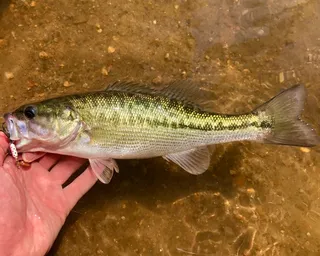
Alabama bass
Micropterus henshalli
Alabama bass were once counted as spotted bass until scientists found they were their own species.
Tap one to see where it's biting and how to tell it apart.
Micropterus henshalli
Alabama bass were once counted as spotted bass until scientists found they were their own species.
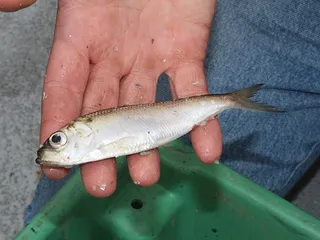
Alosa pseudoharengus
Alewives are small herring that swim up rivers from the sea to spawn; in the Great Lakes they live their whole lives in fresh water.
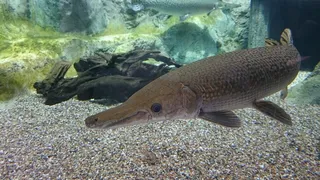
Atractosteus spatula
Alligator gar can grow longer than a grown-up is tall, and they can gulp air at the surface.
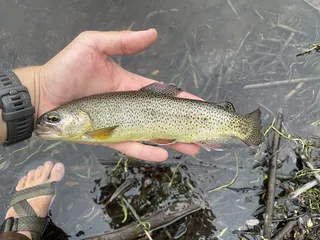
Oncorhynchus apache
The Apache trout is Arizona's state fish, and it lives only in the cold mountain streams of Arizona's White Mountains.
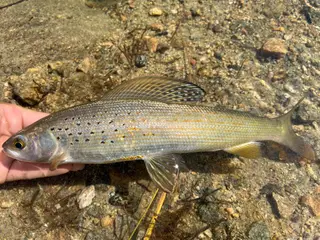
Thymallus arcticus
Arctic grayling have a huge sail-like fin on their back.
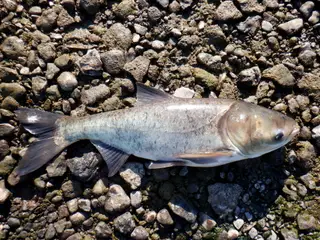
Hypophthalmichthys nobilis
Bighead carp eat by filtering tiny plants and animals out of the water.
Invasive
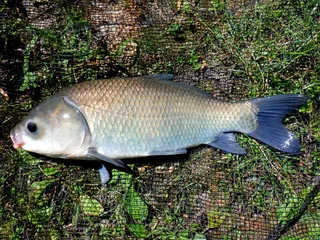
Ictiobus cyprinellus
Bigmouth buffalo can live more than 100 years.
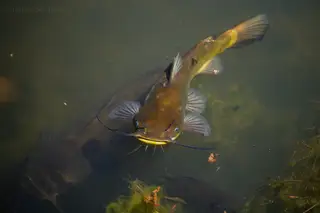
Ameiurus melas
Black bullhead can live in warm, muddy ponds where few other fish survive.
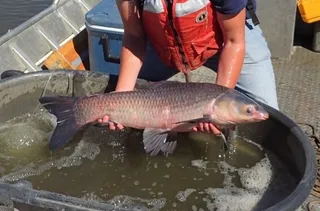
Mylopharyngodon piceus
Black carp crush snails and mussels with strong teeth in their throats, which is why they're a threat to native mussels.
Invasive
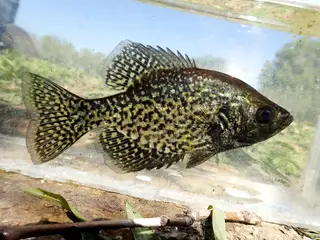
Pomoxis nigromaculatus
Black crappie like to hide around sunken trees and brush.
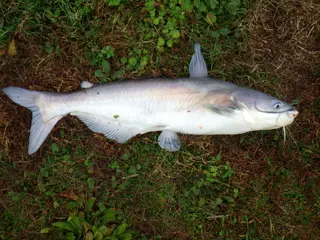
Ictalurus furcatus
Blue catfish are the biggest catfish in North America and can top 100 pounds.
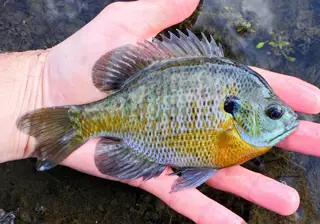
Lepomis macrochirus
Bluegill get their name from the blue color on their cheeks and gill covers.
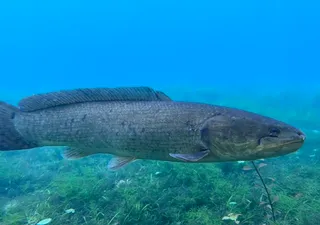
Amia calva
Bowfin belong to a family of fish that swam with the dinosaurs.
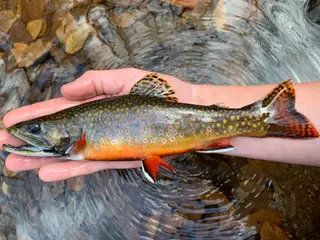
Salvelinus fontinalis
Brook trout are really a kind of char, a close cousin of trout.
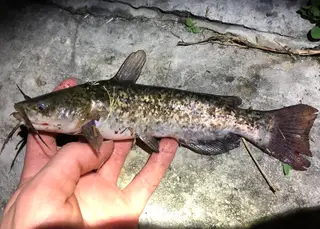
Ameiurus nebulosus
Brown bullhead use whisker-like barbels to find food in muddy water.
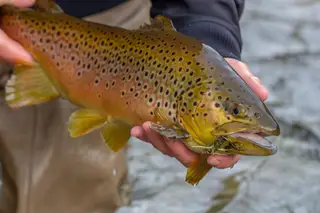
Salmo trutta
Brown trout came to America from Europe in the 1880s.
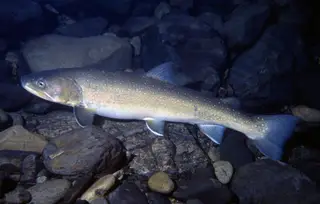
Salvelinus confluentus
Bull trout need very cold, clean water, so finding them means a stream is healthy.
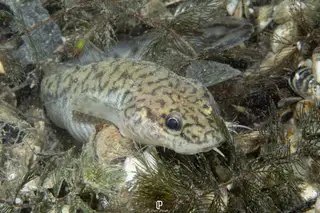
Lota lota
Burbot are the only freshwater cod in North America, and they spawn under the ice in winter.
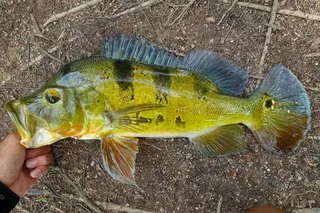
Cichla ocellaris
Butterfly peacock bass come from South America; Florida stocked them in Miami's canals in the 1980s to eat other fish that didn't belong there.
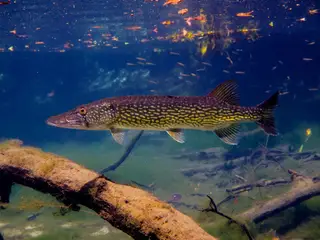
Esox niger
Chain pickerel have dark lines on their sides that look like a chain.
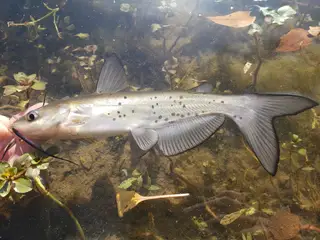
Ictalurus punctatus
Catfish are covered in taste buds, so they can taste with their whole body.
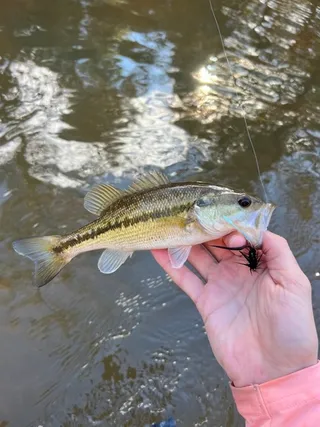
Micropterus haiaka
Choctaw bass were named as their own species in 2019; they live in a few rivers of the Florida panhandle and south Alabama.
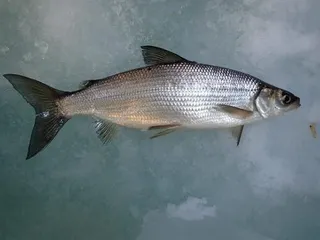
Coregonus artedi
Ciscoes swim in open water in big schools, eating tiny animals, and are food for lake trout and walleye.
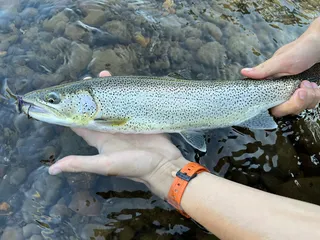
Oncorhynchus clarkii clarkii
Cutthroat trout are named for the red slash marks under their jaw.
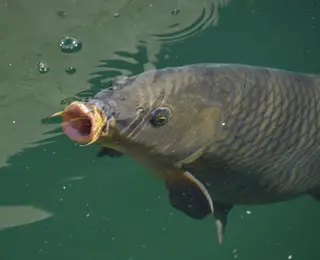
Cyprinus carpio
Carp came from Europe and Asia and can live in water too warm or muddy for many native fish.
Invasive
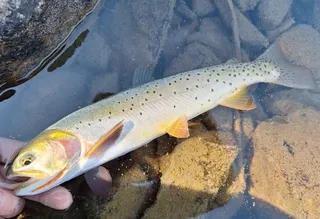
Oncorhynchus clarkii
Look under the jaw: a red or orange slash gives the cutthroat its name.
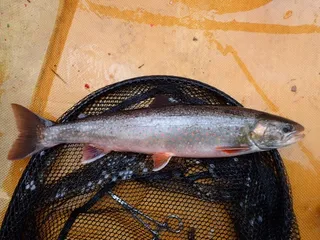
Salvelinus malma
Dolly Varden are named after a character in a Charles Dickens story who wore a colorful spotted dress.
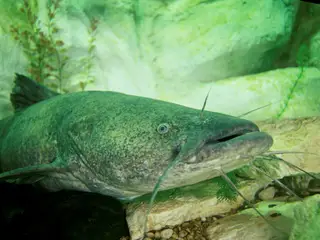
Pylodictis olivaris
Flathead catfish have a wide, flat head and mostly eat live fish.
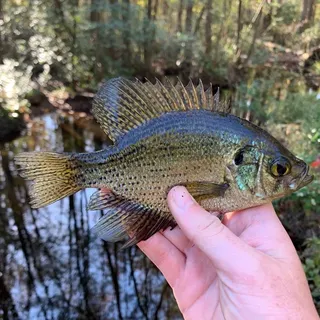
Centrarchus macropterus
Fliers have a dark teardrop under each eye and a round body with big fins.
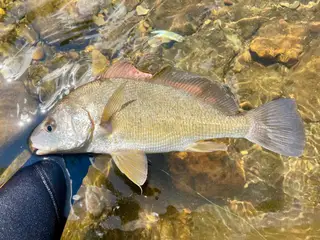
Aplodinotus grunniens
Freshwater drum make a grunting sound with muscles near their swim bladder.
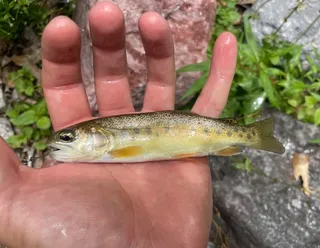
Oncorhynchus gilae
Gila trout are golden with tiny dark spots, and they live only in a few mountain streams of New Mexico and Arizona.
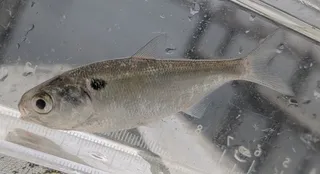
Dorosoma cepedianum
Gizzard shad have a stomach like a bird's gizzard that grinds up mud and tiny plants.
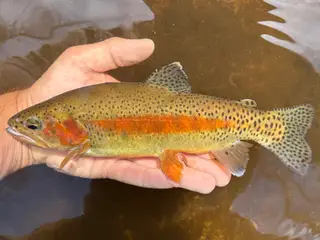
Oncorhynchus aguabonita
Golden trout come from high mountain streams in California, where they are the state freshwater fish.
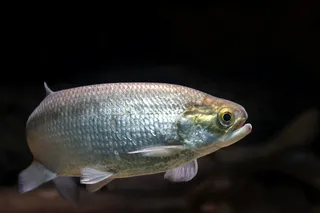
Hiodon alosoides
Goldeyes have big golden eyes that help them find food in muddy rivers and at dusk.
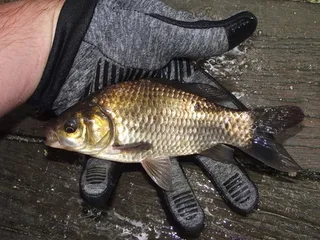
Carassius auratus
Pet goldfish let go in a lake can grow longer than a foot and crowd out native fish, so never release one.
Invasive
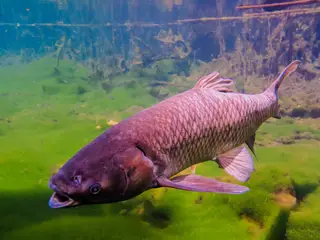
Ctenopharyngodon idella
Grass carp eat water plants, so some lakes stock sterile ones to clear out weeds.
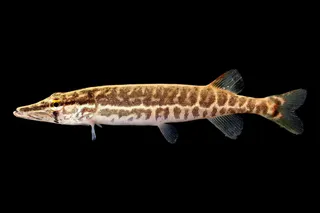
Esox americanus vermiculatus
Grass pickerel are among the smallest pike, rarely much longer than a ruler.
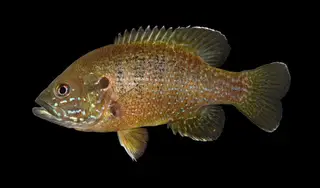
Lepomis cyanellus
Green sunfish have a bigger mouth than most other sunfish.
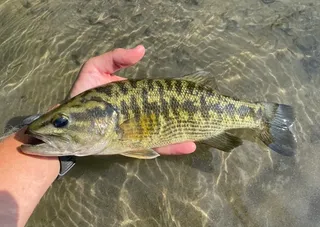
Micropterus treculii
Guadalupe bass are the state fish of Texas and are native only to Texas rivers.
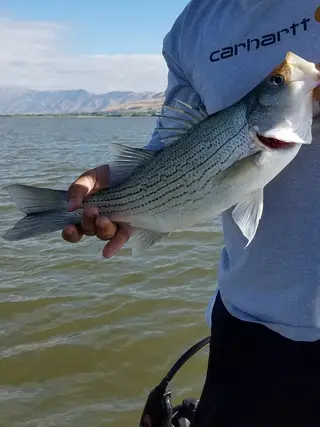
Morone saxatilis × Morone chrysops
A wiper is a cross between a striped bass and a white bass.
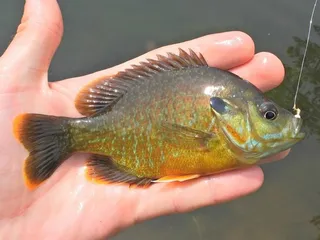
Lepomis macrochirus x Lepomis cyanellus
A hybrid sunfish is a cross between a bluegill and a green sunfish: hatcheries raise them because they grow fast and bite readily.
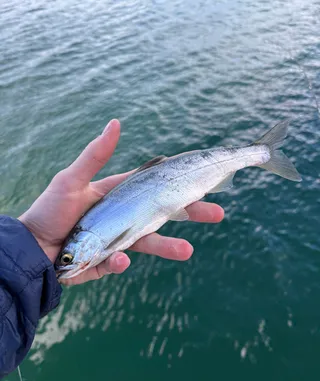
Oncorhynchus nerka
Kokanee are sockeye salmon that spend their whole lives in lakes instead of the ocean.
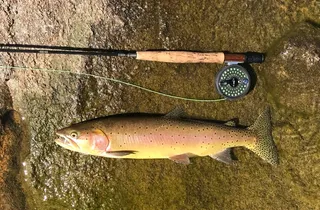
Oncorhynchus clarkii henshawi
Lahontan cutthroat are the biggest cutthroat trout; one from Nevada's Pyramid Lake weighed 41 pounds.
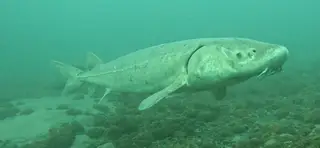
Acipenser fulvescens
Lake sturgeon have no scales, just rows of bony plates along their body.
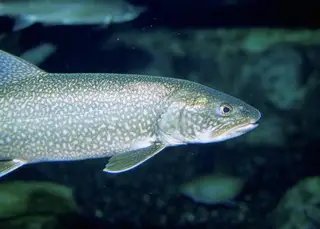
Salvelinus namaycush
Lake trout can live for more than 50 years in cold, deep lakes.
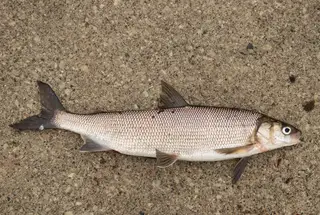
Coregonus clupeaformis
Lake whitefish are one of the most important fish caught for food in the Great Lakes.
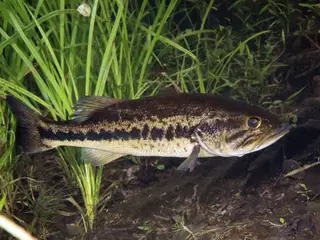
Micropterus salmoides
A largemouth bass's upper jaw reaches past its eye.
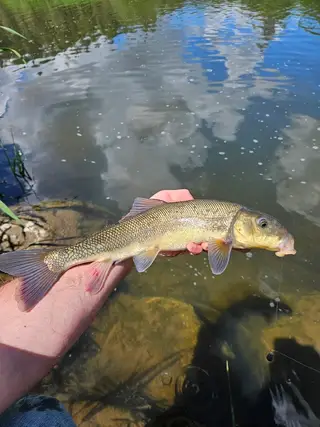
Catostomus macrocheilus
Suckers have soft lips under their head to vacuum food off rocks.
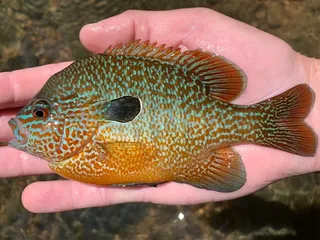
Lepomis megalotis
Longear sunfish are among the most colorful fish in North America, with orange and blue swirls.
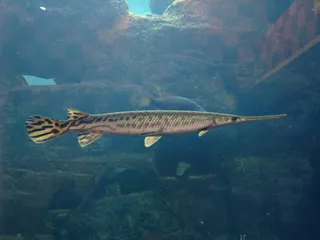
Lepisosteus osseus
Longnose gar have a snout about twice as long as the rest of their head, full of needle-sharp teeth.
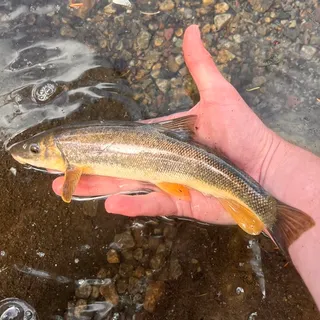
Catostomus catostomus
Longnose suckers live in cold northern lakes and rivers, from New England all the way to Siberia.
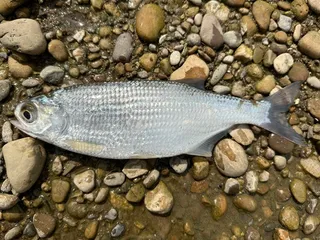
Hiodon tergisus
Mooneyes are silver river fish with huge eyes and teeth on their tongue.
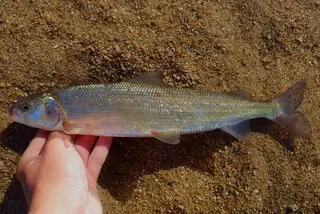
Prosopium williamsoni
Mountain whitefish have small mouths and eat bugs off the bottom of rivers.
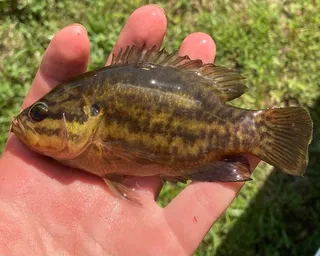
Acantharchus pomotis
Mud sunfish hide in thick weeds in slow, dark-water swamps and creeks.
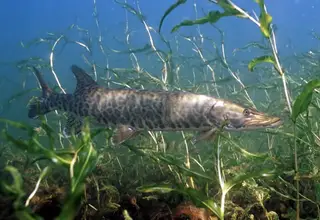
Esox masquinongy
Muskies are called the fish of 10,000 casts because they are so hard to catch.
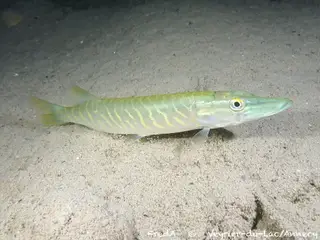
Esox lucius
Northern pike have a mouth full of sharp teeth and hide in weeds to ambush their prey.
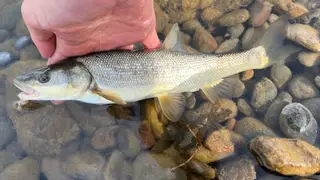
Ptychocheilus oregonensis
Northern pikeminnow eat young salmon, so a program on the Columbia and Snake rivers pays anglers for each one they catch.
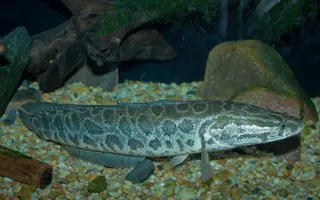
Channa argus
A northern snakehead can breathe air and live for days out of water, which is why it spreads so easily and must never be let go alive.
Invasive
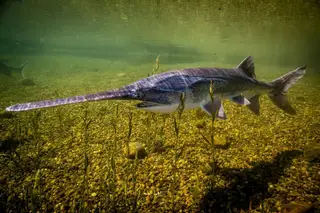
Polyodon spathula
Paddlefish have a long, flat snout shaped like a canoe paddle.
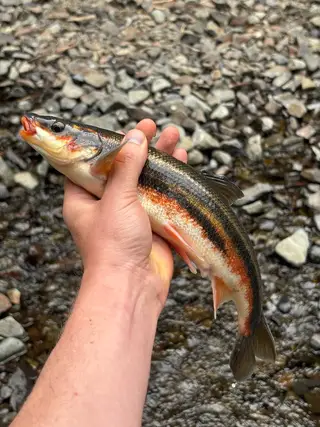
Mylocheilus caurinus
Peamouth are a kind of minnow that lives in lakes and rivers of the Northwest.
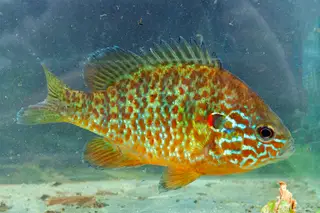
Lepomis gibbosus
Pumpkinseed have a bright red or orange spot on their gill flap.
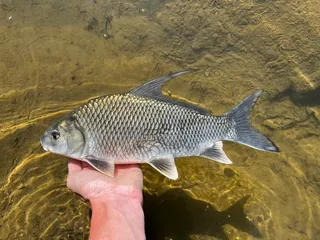
Carpiodes cyprinus
The quillback is a big silver sucker named for the long front ray of the fin on its back, which sticks up like a feather quill.
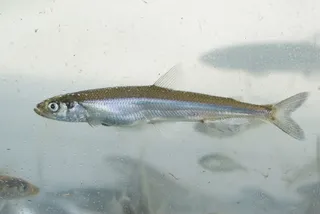
Osmerus mordax
Rainbow smelt are small, silvery fish that smell a little like fresh-cut cucumber, and anglers catch them through the ice in winter.
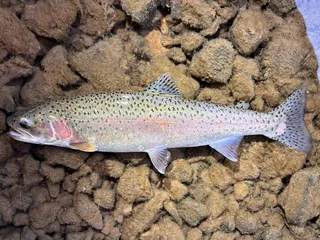
Oncorhynchus mykiss
Rainbow trout get their name from the pink stripe along their sides.
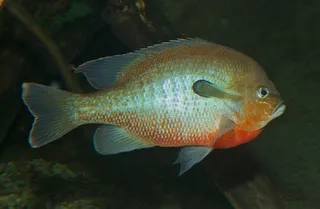
Lepomis auritus
Redbreast sunfish have a long, dark flap on their gill cover and an orange belly.
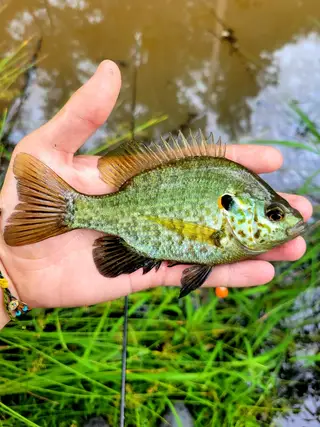
Lepomis microlophus
Redear sunfish crack open snail shells with special teeth in their throat.
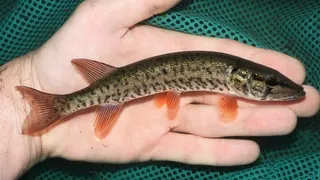
Esox americanus americanus
Redfin pickerel are small pike with red or orange fins.
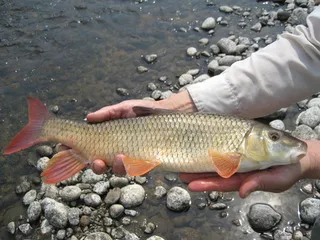
Moxostoma
Redhorse are big suckers with red or orange tails that crowd into rocky rivers in spring to spawn.
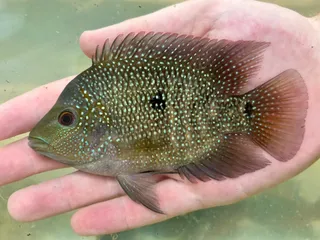
Herichthys cyanoguttatus
The Rio Grande cichlid is the only cichlid native to the United States.
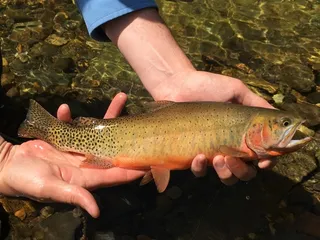
Oncorhynchus clarkii virginalis
The Rio Grande cutthroat is New Mexico's state fish, and it has lived in the state's mountain streams since long before people came.
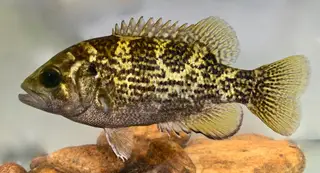
Ambloplites rupestris
Rock bass have bright red eyes.
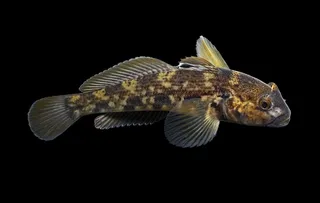
Neogobius melanostomus
Round gobies came to the Great Lakes in ships' ballast water from Europe and stick to rocks with a suction-cup fin on their belly.
Invasive
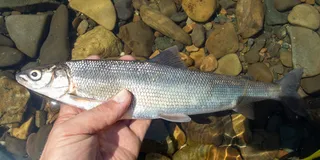
Prosopium cylindraceum
Round whitefish have small mouths and pick insects and snails off the bottom of cold, clear lakes.
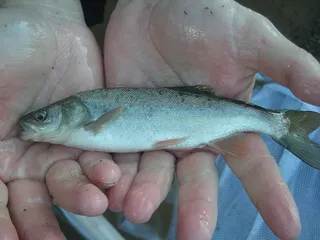
Gila robusta
The roundtail chub is a big native minnow of Arizona's rivers: in Arizona every one you catch must go back.
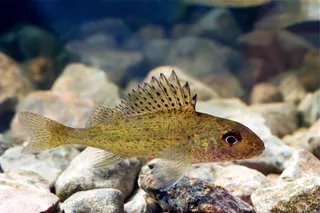
Gymnocephalus cernuus
Ruffe are small, spiny cousins of the yellow perch that reached Lake Superior from Europe in ships' ballast water.
Invasive
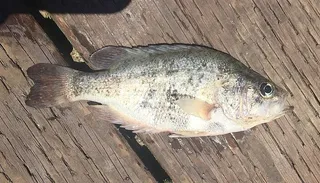
Archoplites interruptus
The Sacramento perch is the only sunfish that is native west of the Rocky Mountains.
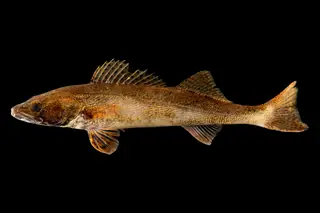
Sander canadensis
Sauger look like walleye but have rows of dark spots on their back fin.
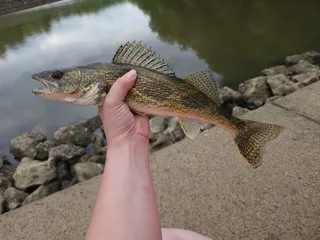
Sander vitreus x Sander canadensis
Saugeye are a cross between a walleye and a sauger, raised in hatcheries.
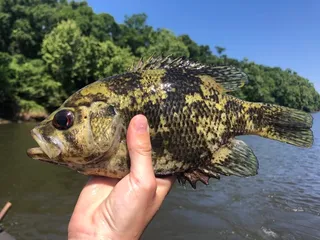
Ambloplites ariommus
Shadow bass can turn light or dark to match the rocks and shade around them.
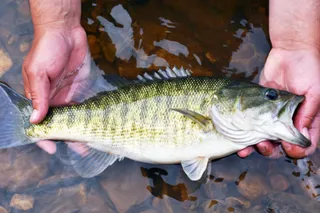
Micropterus cataractae
Shoal bass like fast, rocky water in the rivers that feed the Apalachicola.
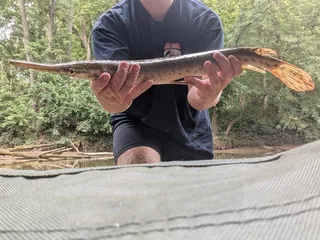
Lepisosteus platostomus
Shortnose gar can live in warm, still water because they breathe air as well as water.
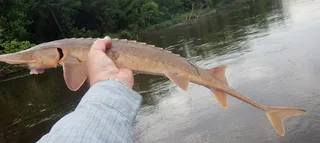
Scaphirhynchus platorynchus
Shovelnose sturgeon have a flat, shovel-shaped snout for digging food out of the sand on big river bottoms.
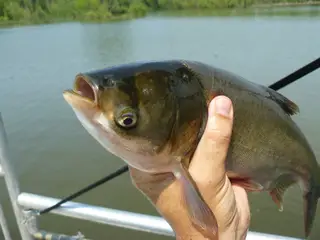
Hypophthalmichthys molitrix
Silver carp can leap high out of the water when a boat motor scares them.
Invasive
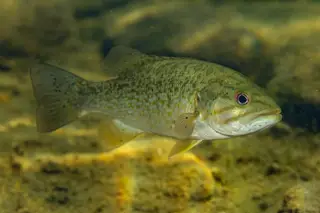
Micropterus dolomieu
Smallmouth bass are famous for jumping high out of the water when hooked.
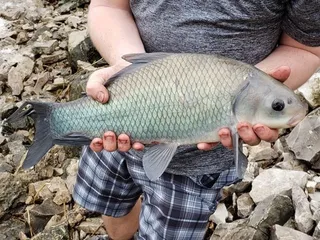
Ictiobus bubalus
Smallmouth buffalo are big suckers that feed on the bottom with a small mouth that points down.
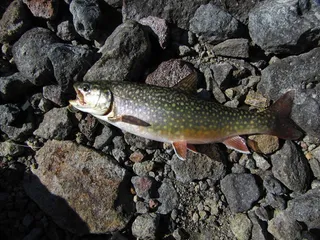
Salvelinus namaycush × Salvelinus fontinalis
A splake is a cross between a lake trout and a brook trout, made in hatcheries; its name joins "speckled" (brook) trout and lake trout.
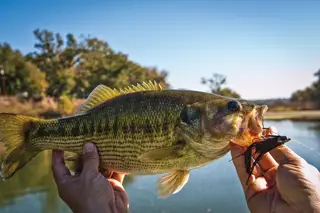
Micropterus punctulatus
Spotted bass have rows of small dark spots low on their sides.
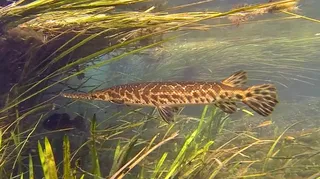
Lepisosteus oculatus
Spotted gar are covered in hard, diamond-shaped scales that fit together like armor.
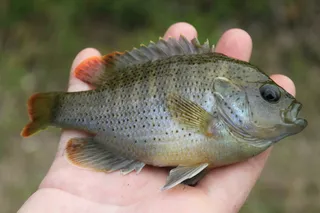
Lepomis punctatus
Spotted sunfish are often called stumpknockers because they hang around stumps and roots.
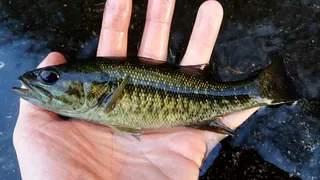
Micropterus notius
Suwannee bass live only in a few spring-fed rivers of north Florida and south Georgia, and their cheeks turn bright blue.
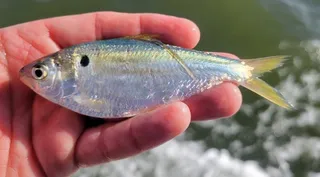
Dorosoma petenense
Threadfin shad have a long thread trailing from the back of their top fin.
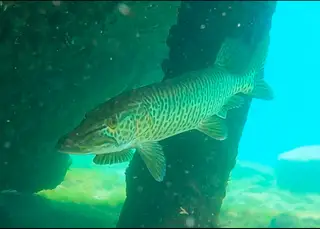
Esox masquinongy × Esox lucius
Tiger muskies are a cross between a muskie and a northern pike.
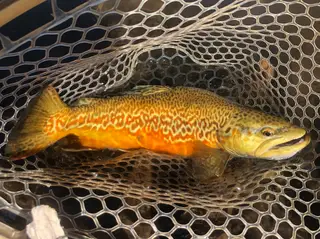
Salmo trutta × Salvelinus fontinalis
A tiger trout is a cross between a brown trout and a brook trout, with wavy tiger-like stripes.
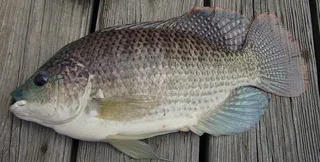
Oreochromis and Coptodon
Tilapia came to Arizona's canals and ponds from Africa, where their parents guard their young, some in their mouths.
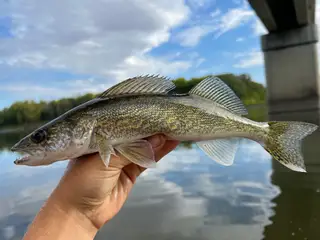
Sander vitreus
Walleye have big glassy eyes that help them hunt in dim light.
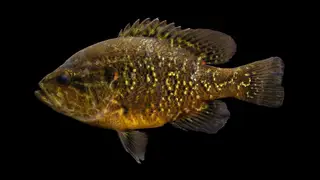
Lepomis gulosus
Warmouth have red eyes with dark lines that fan out behind them.
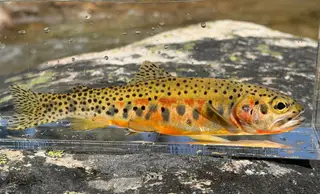
Oncorhynchus clarkii lewisi
Westslope cutthroat trout live in cold, clean mountain streams and lakes.
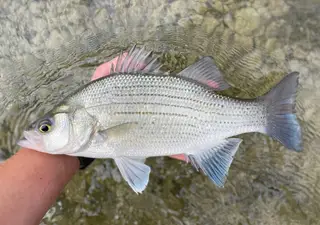
Morone chrysops
White bass travel in big schools and chase small fish up to the surface.
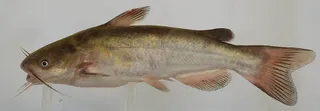
Ameiurus catus
White catfish look like small channel catfish without the spots, with a wider head.
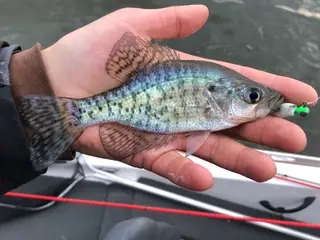
Pomoxis annularis
White crappie have faint dark bars on their sides, while black crappie are speckled.
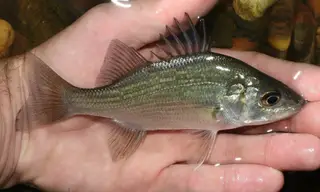
Morone americana
White perch are really a small cousin of the striped bass.
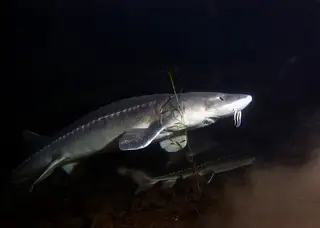
Acipenser transmontanus
White sturgeon can live more than 100 years and grow longer than a canoe.
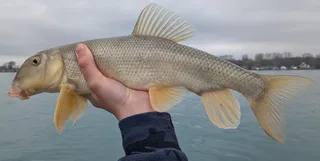
Catostomus commersonii
White suckers swim up small streams in early spring, and their eggs feed trout and other fish.
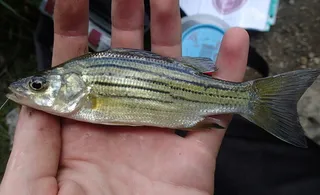
Morone mississippiensis
Yellow bass have dark stripes that break in the middle, above the fin on their belly.
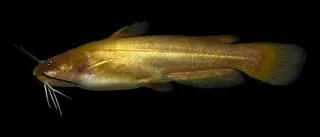
Ameiurus natalis
Yellow bullhead have white or yellow whiskers on their chin.
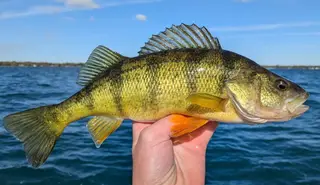
Perca flavescens
Yellow perch have six to eight dark bars across their yellow sides.