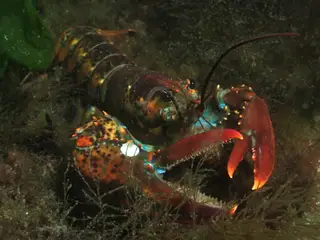
American lobster
Homarus americanus
Lobsters taste things with tiny hairs on their legs.
Tap one to see where it's biting and how to tell it apart.
Homarus americanus
Lobsters taste things with tiny hairs on their legs.
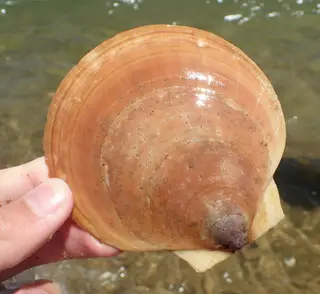
Placopecten magellanicus
Scallops have dozens of tiny blue eyes along the edge of their shell.
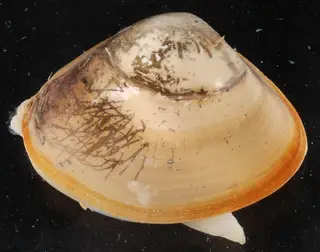
Spisula solidissima
Atlantic surfclams are the biggest clams on the East Coast and often end up in clam chowder.
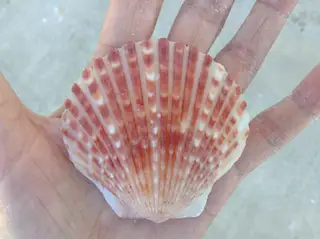
Argopecten irradians
Bay scallops swim by clapping their shells together.
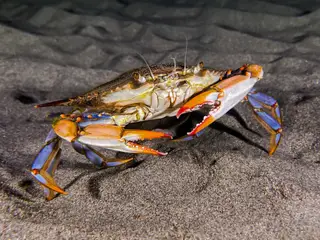
Callinectes sapidus
Blue crabs have paddle-shaped back legs for swimming.
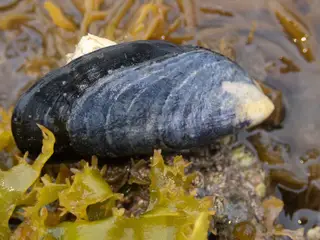
Mytilus edulis
Mussels hold on to rocks with strong threads called byssal threads.
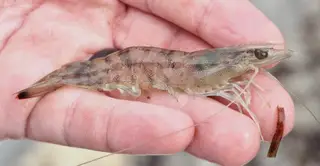
Penaeus aztecus
Brown shrimp hide in the mud by day and come out to feed at night.
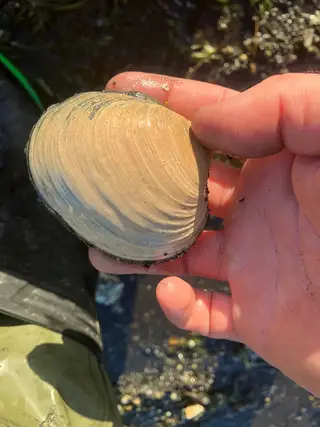
Saxidomus gigantea
Butter clams can live more than 20 years.
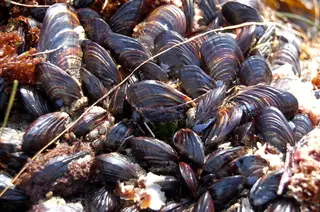
Mytilus californianus
California mussels can hang on to rocks pounded by big waves.
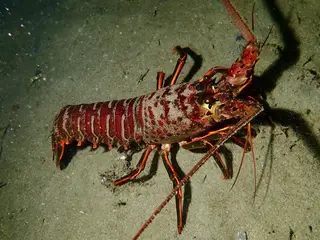
Panulirus interruptus
California spiny lobsters hide in rocky holes by day and come out to feed at night.
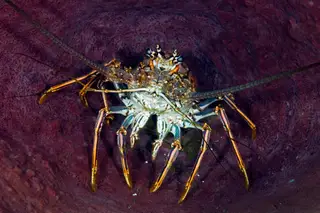
Panulirus argus
Spiny lobsters have no big claws and sometimes march across the sea floor in long lines.
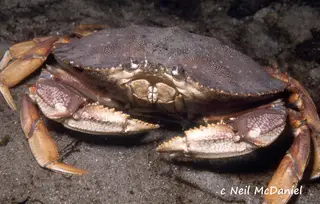
Metacarcinus magister
Dungeness crabs shed their whole shell to grow bigger.
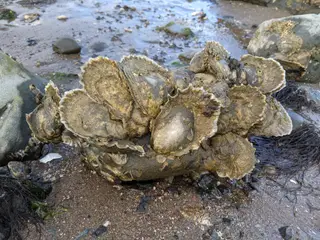
Crassostrea virginica
An adult oyster can filter up to 50 gallons of water in a day.
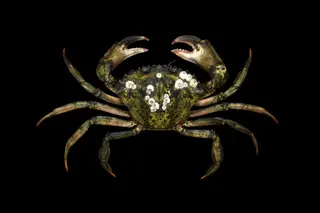
Carcinus maenas
European green crabs are invaders that harm clam and oyster beds, so report one if you find it.
Invasive
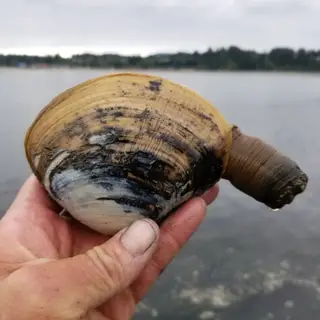
Tresus capax
Fat gapers are big clams with a long, leathery neck that peeks out of the sand.
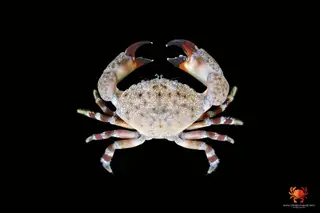
Menippe mercenaria
Stone crabs can grow back a claw after losing one.
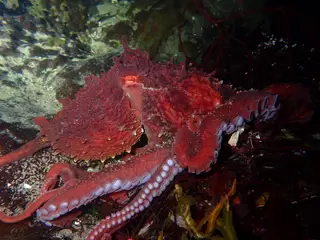
Enteroctopus dofleini
Giant Pacific octopuses have three hearts and blue blood.
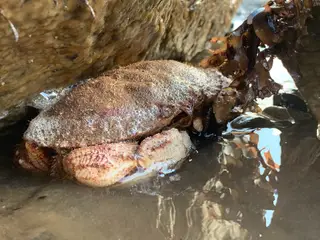
Cancer borealis
Jonah crabs live on rocky bottoms in the cold North Atlantic.
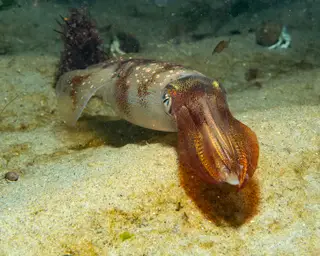
Doryteuthis pealeii
Squid can squirt a cloud of ink to hide from predators.
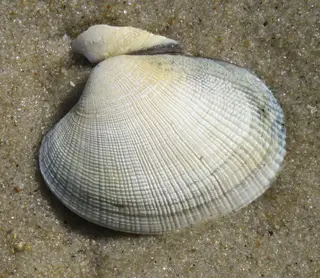
Ruditapes philippinarum
Manila clams came to the Northwest from Japan by accident, mixed in with young oysters.
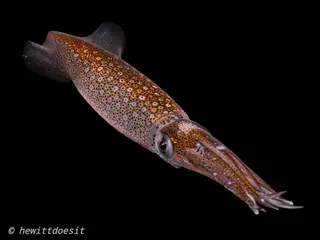
Doryteuthis opalescens
Market squid live for less than a year.
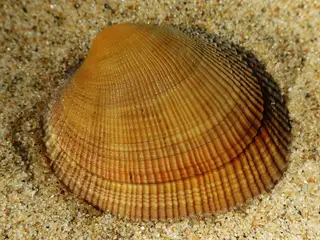
Leukoma staminea
Littleneck clams live just a few inches under the beach, so they are easy to dig.
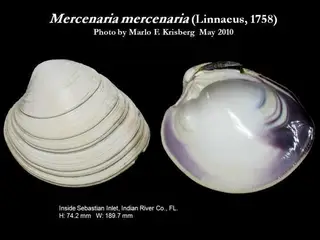
Mercenaria mercenaria
Native Americans made wampum beads from the purple part of quahog shells.
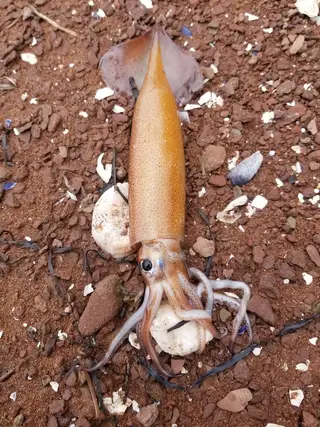
Illex illecebrosus
Shortfin squid swim by shooting water out of a tube, like a jet.
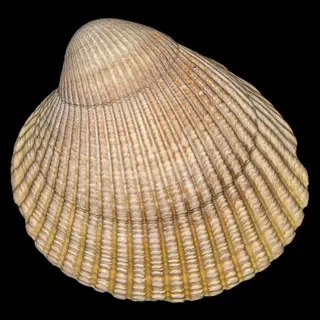
Clinocardium nuttallii
Cockles can hop across the sand by pushing off with their strong foot.
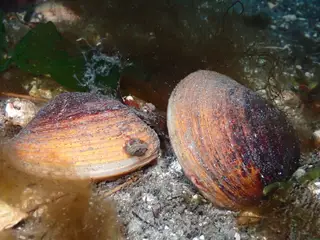
Arctica islandica
Ocean quahogs can live more than 500 years.
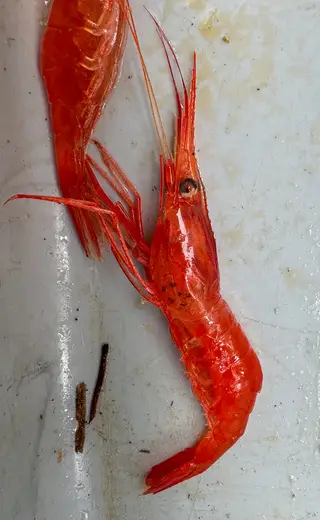
Pandalus jordani
Ocean shrimp are the small pink shrimp used in many shrimp cocktails and salads.
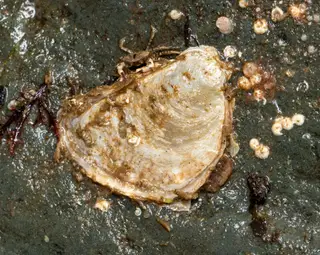
Ostrea lurida
Olympia oysters are the only oyster native to the Pacific Northwest.
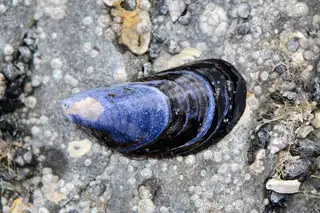
Mytilus trossulus
Pacific blue mussels grow in thick clumps on docks and rocks.
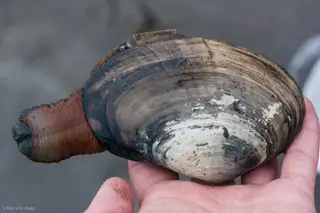
Tresus nuttallii
Gaper clams can't close their shells all the way, so their neck always sticks out.
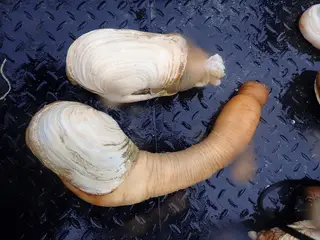
Panopea generosa
Geoducks can live more than 100 years.
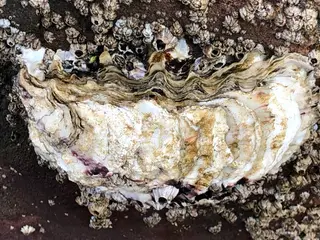
Magallana gigas
Pacific oysters came from Japan about 100 years ago and now grow wild in Northwest bays.
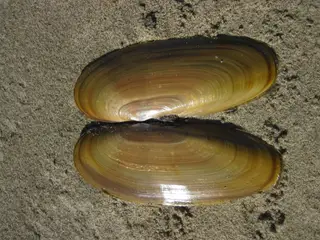
Siliqua patula
Razor clams can dig down through the sand faster than you can dig after them.
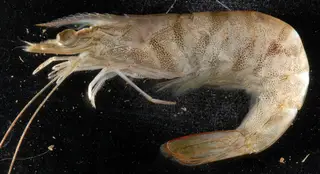
Penaeus duorarum
Pink shrimp dig into the sand to hide during the day.
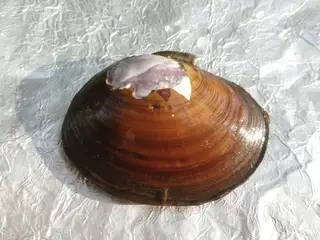
Nuttallia obscurata
Varnish clams have a shiny brown coat on their shell, like varnish.
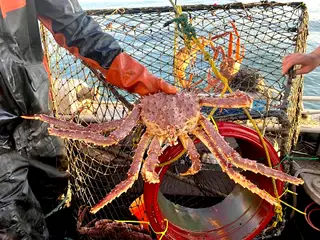
Paralithodes camtschaticus
Red king crabs can measure 5 feet from leg tip to leg tip.
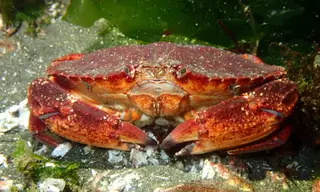
Cancer productus
Red rock crabs have black-tipped claws strong enough to crack clam shells.
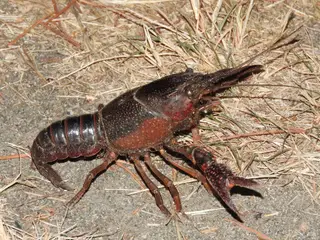
Procambarus clarkii
Louisiana catches more crawfish than anywhere else in the country.
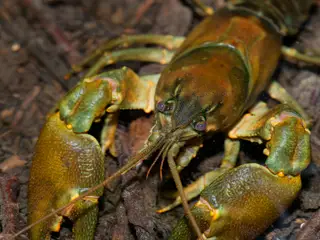
Pacifastacus leniusculus
Signal crayfish have white patches on their claws, like little signal flags.
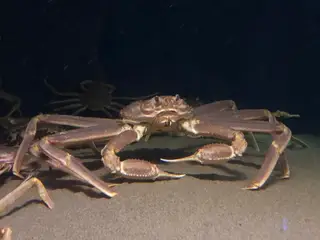
Chionoecetes opilio
Snow crabs live on the cold, muddy sea floor of far northern seas.
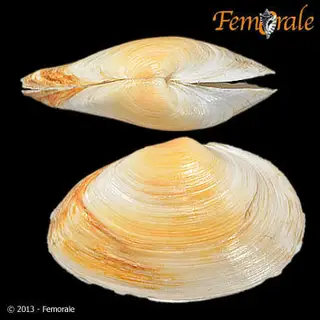
Mya arenaria
Softshell clams have thin shells that break easily.
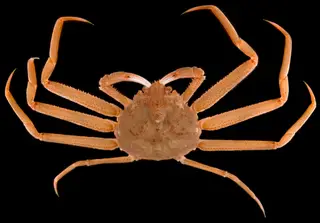
Chionoecetes bairdi
Tanner crabs are close cousins of snow crabs.
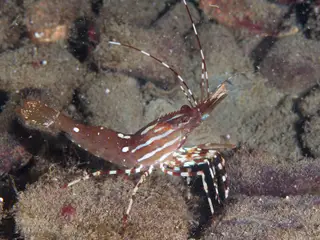
Pandalus platyceros
Spot shrimp all start life as males and later turn into females.
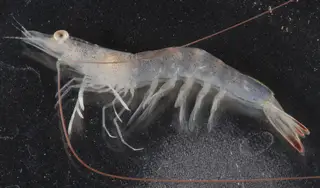
Penaeus setiferus
White shrimp grow up in salt marshes and move out to the ocean as adults.